

Accelerating private capital finance for SME-Led climate solutions globally.
Join us in revolutionizing climate finance, where we reimagine investment flows to prioritize the Global South.
Countries represented
Narrative-shaping outputs published
Collective commitments delivered
Climate finance mobilised
Institutional investor network
About us
The GCFF is a multi-stakeholder platform dedicated to accelerating climate finance for small and medium-sized enterprises (SMEs) that deliver climate solutions across the Global South
We bring together investors, entrepreneurs, policymakers, and thought leaders to co-develop strategies that localize capital, de-risk investments, and dismantle barriers preventing scalable finance for climate solutions.
Why GCFF matters
Only 15% of global climate finance reaches the Global South*
The Global South, or global majority, is defined as low and middle income countries and communities.
Source: World Economic Forum
Climate SMEs* are driving innovation through viable, scalable solutions.
Definition of SMEs: European Commission SME Definition
Yet most finance remains locked into large, risk-averse projects, leaving these proven models underfunded.

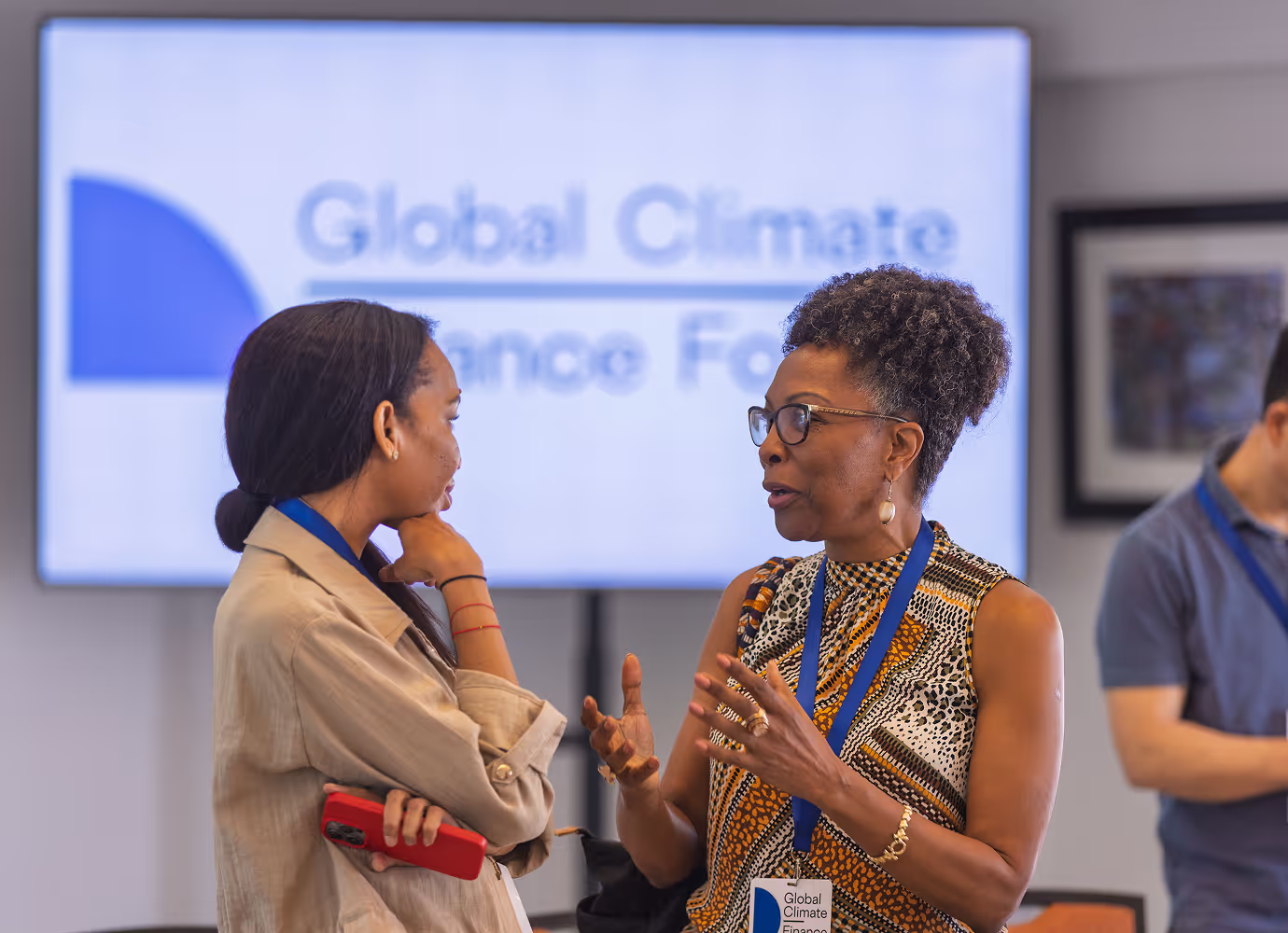
GCFF works to rewire the system and direct capital where it matters most.
1
Drive policy change
Engage policymakers to unlock private capital, reduce investment barriers, and promote SME-friendly climate finance policies and incentives.
2
Rewire climate finance
Bridge capital, policy, and local ecosystems to enable more equitable cross-border investment, develop innovative financial vehicles with local institutions, and advance de-risking solutions that improve scale.
3
Elevate climate genius
Showcase scalable Global South climate SMEs, connect them with investors, and strengthen investor-readiness - unlocking capital for the communities driving climate action on the ground.
Why SMEs are central to climate action
SMEs aren't a niche — they are the backbone of the global economy and the engine of local climate action.
of locally developed climate solutions in emerging markets are delivered by SMEs.
of all businesses, driving 60–70% of global employment.
of global supply-chain actors and 80% of value-added suppliers.
of value retained locally, employing women and youth across emerging markets.
Sources: World Bank (2023); IFC (2022) MSME Finance Gap; ILO (2021); OECD (2023) SME and Entrepreneurship Outlook; CDP (2023) Supply Chain Report; CPI (2025) Global Landscape of Climate Finance 2025; IIED (2023) Delivering Locally Led Climate Action; UNDP (2023); ILO & UNDRR (2024); UN High-Level Champions (2024); UNCTAD (2023); Convergence (2024).
Who GCFF bring together
A hands-on culture: members roll up their sleeves, co-create solutions, and make concrete and set clear deliverables.
SMEs
SMEs scaling climate solutions
High-impact enterprises developing and scaling innovative climate solutions on the ground.






Policymakers
Policymakers enabling investment
Public sector leaders advancing regulatory frameworks, incentives, and reforms that unlock private capital.

Investors
Investors deploying capital
Local financial institutions (credit unions, cooperatives, retail and commercial banks, community-managed funds, and asset managers) together with global impact investors, mobilizing capital for climate solutions.












Ecosystem enablers
Ecosystem enablers shaping the global agenda
Organizations supporting the system through research, technical assistance, advocacy, and platform-building to strengthen pipelines and improve investment conditions.






Partnering with those driving change
Collaborating with GCFF to accelerate climate finance and unlock investment for climate solutions in the Global South.






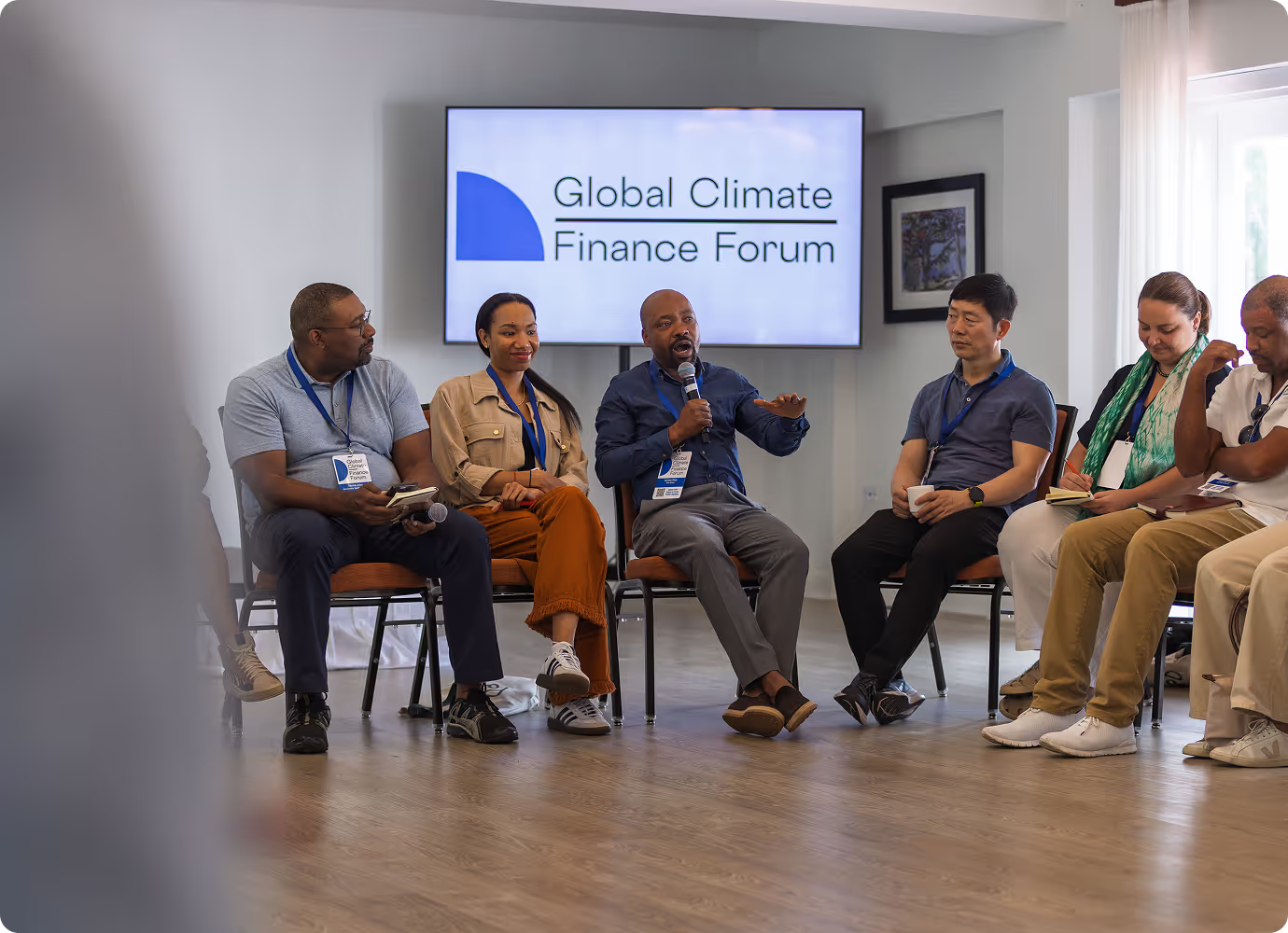
The First GCFF
April 2025. Montego Bay, Jamaica. Viable, scalable climate solutions exist. Now the focus is on closing systemic financing gaps. 20+ commitments now underway.
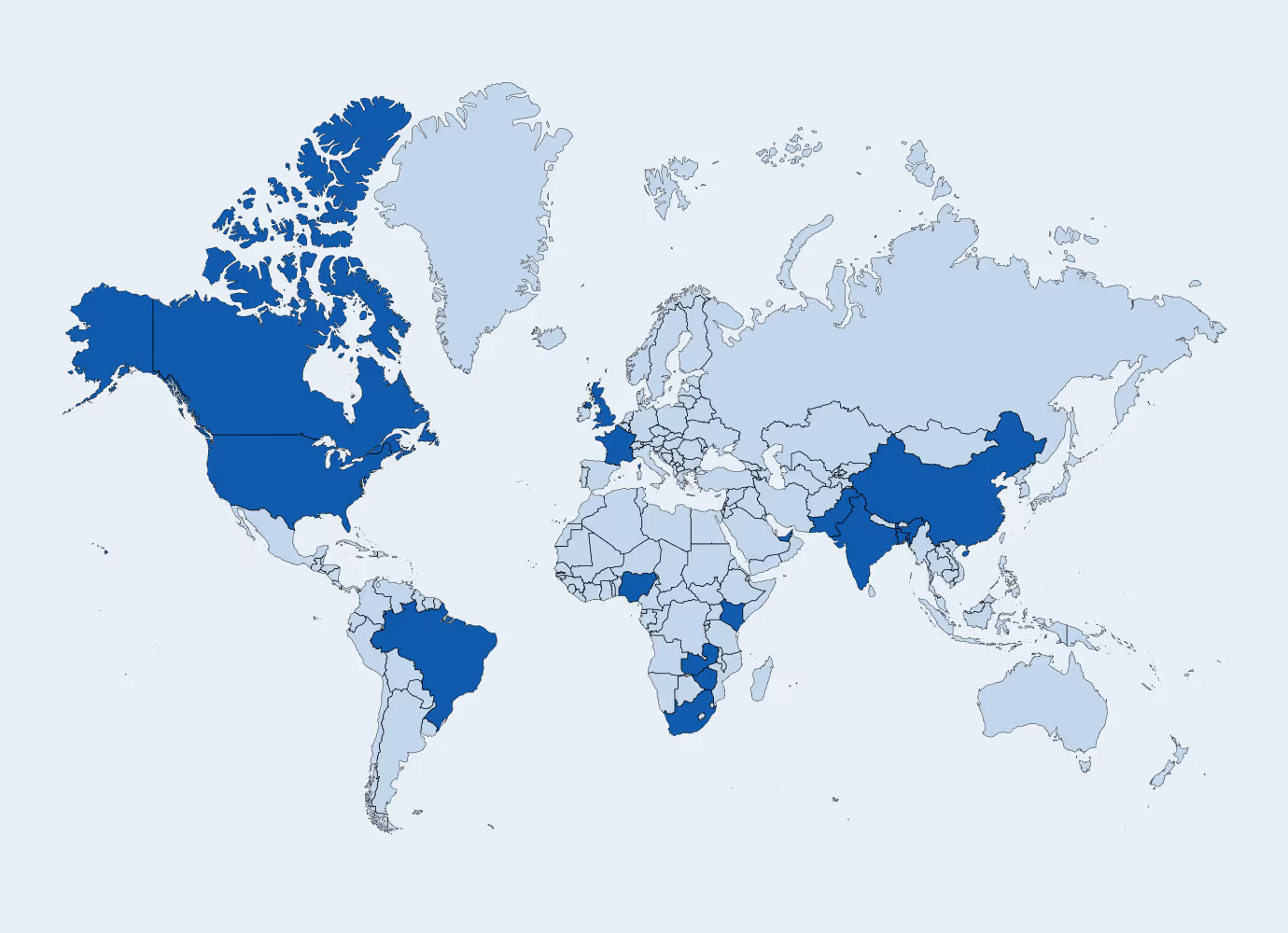
Map: Countries represented in the First Forum
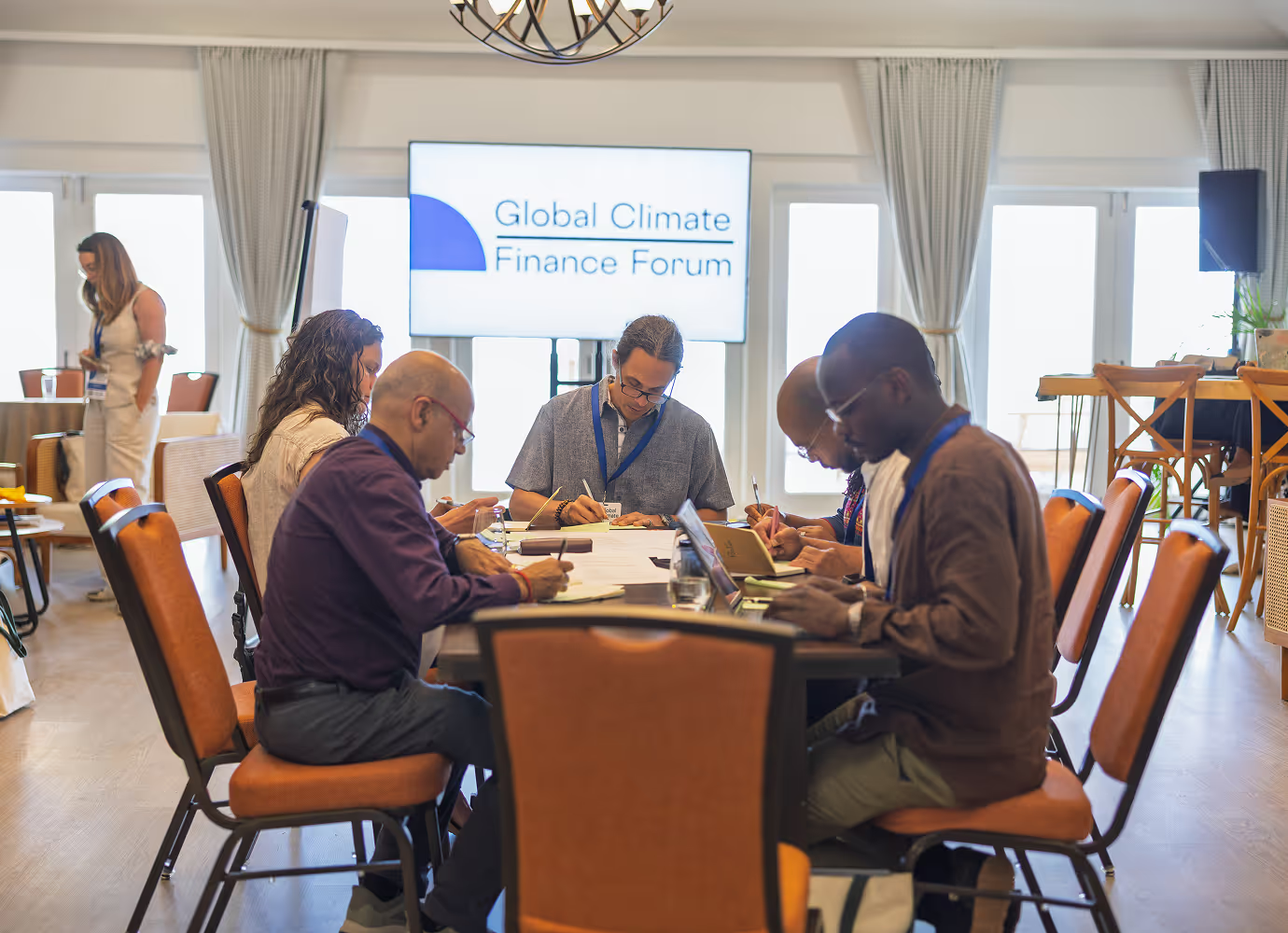
The inaugural Forum proved that when SMEs, investors, and policymakers from around the globe share the same room, real action follows - not just conversation.
Jamaica was chosen as the host for its unique role as a model where policy meets practice.
From fiscal progress to innovative tools like disaster bonds and a resilience fund. Jamaica offers global accessibility, with 99 countries requiring no entry visa, making it an inclusive hub for Global South leadership.

Roadmap to 2027 forum
SME-led climate innovation is abundant — capital access and visibility are not.
Narrative change
Reframe climate SMEs as investable, scalable, and systemically relevant through storytelling and visibility.
Advance policy reform
Promote SME-friendly climate finance policies at COP meetings and other global platforms.
Ecosystem enabler
Build a registry of investable climate-focused SMEs, investors, and regional aggregators.
Innovative, locally grounded finance
Develop new financial instruments and structures with local financial institutions to address risk perception and improve scale.
Incentivize investment
Encourage the introduction of tax incentives and regulatory allowances for institutional and retail investors.
Investor–climate SME bridges
Strengthen investor-readiness through targeted technical assistance and education, while connecting climate SMEs with capital.
Measure impact
Collaborate on locally grounded frameworks for assessing and tracking impact.
Testimonials
Building trust, inspiring action
“What happens when you gather investors, policymakers, and small businesses in one room…not for speeches, but for real conversations? You get more than just insight. You get clarity. Candor. Commitment. It was about breaking silos, unlocking capital, and building real pathways for SMEs across the Global South.”

“This was a small and intentional group of 40–50 changemakers from both the Global North and the Global South putting our minds and hearts together on how to activate the enormous potential of private capital. This was a group that will follow words with action…we are already on our way.”

“By focusing on collective action and the lived expertise and genius of the Global South, we can make positive interventions into the serious challenges facing businesses and communities. Increasing proximity between providers and users of financial capital improves outcomes in multiple ways, including improved risk measurement and management.”

“A global convening in Montego Bay, Jamaica. The key message: those who are closest to the climate crisis should also be closest to the capital to solve it. Jamaica was a fitting host, with 99 countries not requiring a visa to enter. Global conversations must happen in places where the global population can access.”

News & Events
Discover the latest insights, events, and innovations
.webp)
AI and Climate: Two Historic Waves of Investment and the Missing Layer Between Capital and Community
August 7, 2026
Read article:
AI and Climate: Two Historic Waves of Investment and the Missing Layer Between Capital and Community
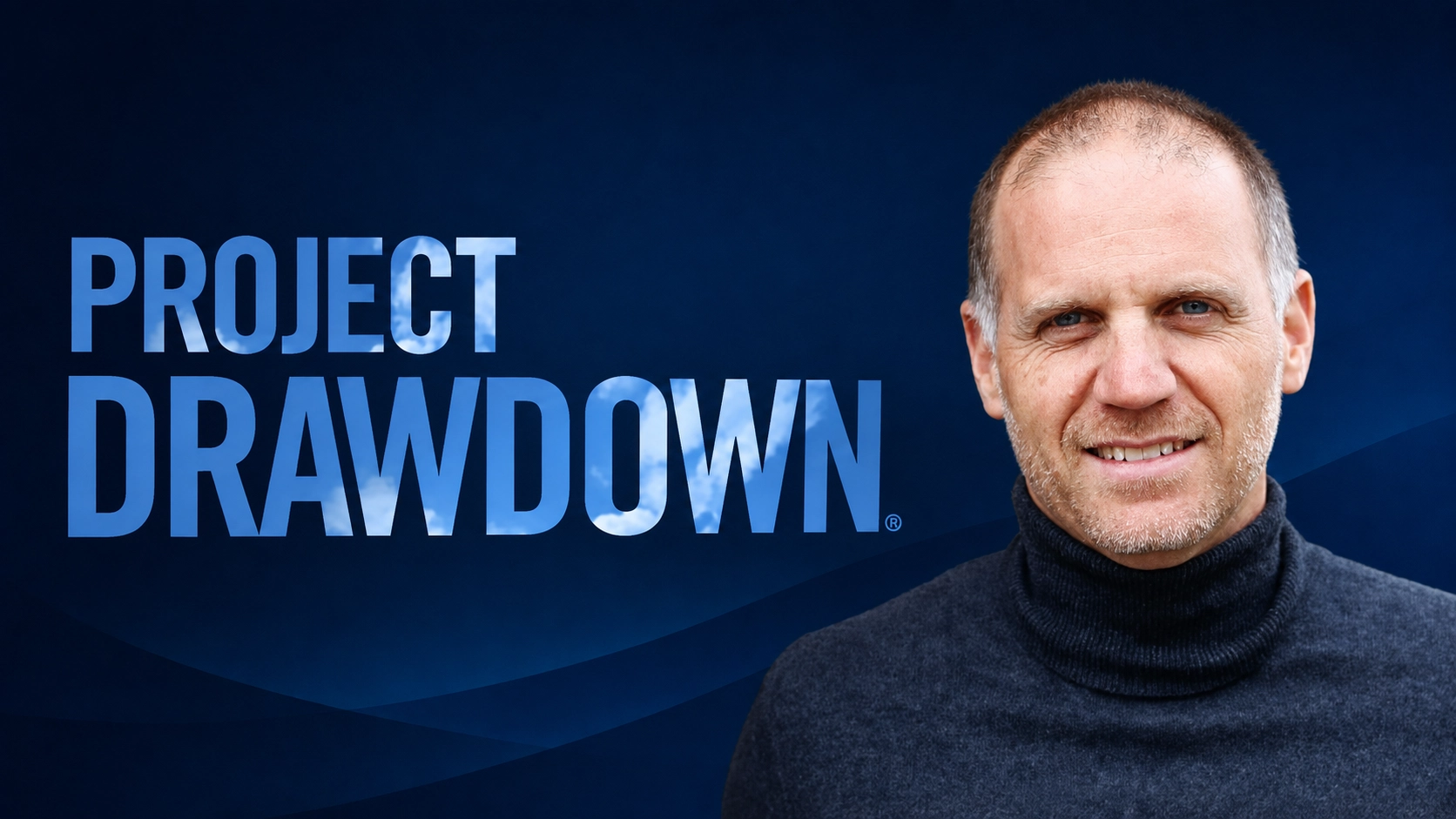
Science, Social Structures: Climate Solutions Depend on Context (Interview with James Gerber, Project Drawdown)
August 5, 2026
Read article:
Science, Social Structures: Climate Solutions Depend on Context (Interview with James Gerber, Project Drawdown)
.webp)
Brazil to Bangladesh: Building the Pathways Climate Capital Needs
August 4, 2026
Read article:
Brazil to Bangladesh: Building the Pathways Climate Capital Needs
A few things you may want to ask us
Who founded the GCFF?
The Global Climate Finance Forum (GCFF) was the brainchild of Marilyn Waite, who is known for her work pioneering sustainable investing strategies.
When and where was the first Forum held?
The inaugural GCFF took place in April 2025 in Montego Bay, Jamaica, with participants from more than 15 countries across Africa, Asia, Latin America, the Caribbean, Europe, and North America.
When is the next GCFF convening?
The next Forum will take place on May 3–5, 2027, in Montego Bay, Jamaica.
Who can join GCFF?
Membership is curated, and the Advisory Council reviews and decides on the admission of any additional members.
Who coordinates the GCFF?
The Global Climate Finance Forum (“GCFF”) is operated by the Emerging Markets Investors Alliance (“EMIA”), a 501(c)(3) not-for-profit organization, as a program within EMIA’s mission to enable institutional emerging market investors to support good governance, promote sustainable development, and improve investment performance. EMIA staff serve as the Secretariat to GCFF, providing coordination, facilitation, stakeholder engagement, program development, strategic planning support, communications, and other operational functions.
[[more]]
GCFF’s participants include climate and impact investors, small and medium enterprises, policymakers, foundations, and other stakeholders. The views, positions, policy recommendations, publications, communiqués, and other outputs of GCFF are those of GCFF and its participants and should not be attributed to EMIA’s members.
EMIA’s members — which include institutional investors, asset managers, and other financial professionals — do not, by virtue of their EMIA membership alone, have any role in, endorsement of, oversight of, or responsibility for GCFF’s work, deliberations, or outputs. Membership in EMIA does not create any obligation, expectation, or inference of support for GCFF’s activities or positions.
Certain EMIA members or employees of EMIA member firms may voluntarily participate in GCFF activities. Any such participation reflects the voluntary involvement of the specific participating member or individual only and should not be interpreted as endorsement, participation, oversight, or responsibility by EMIA’s broader membership. The names and affiliations of participating members are used in GCFF materials only with the express permission of those members.